Planning a Commercial Kitchen in Florida: When to Engage the Right Professionals
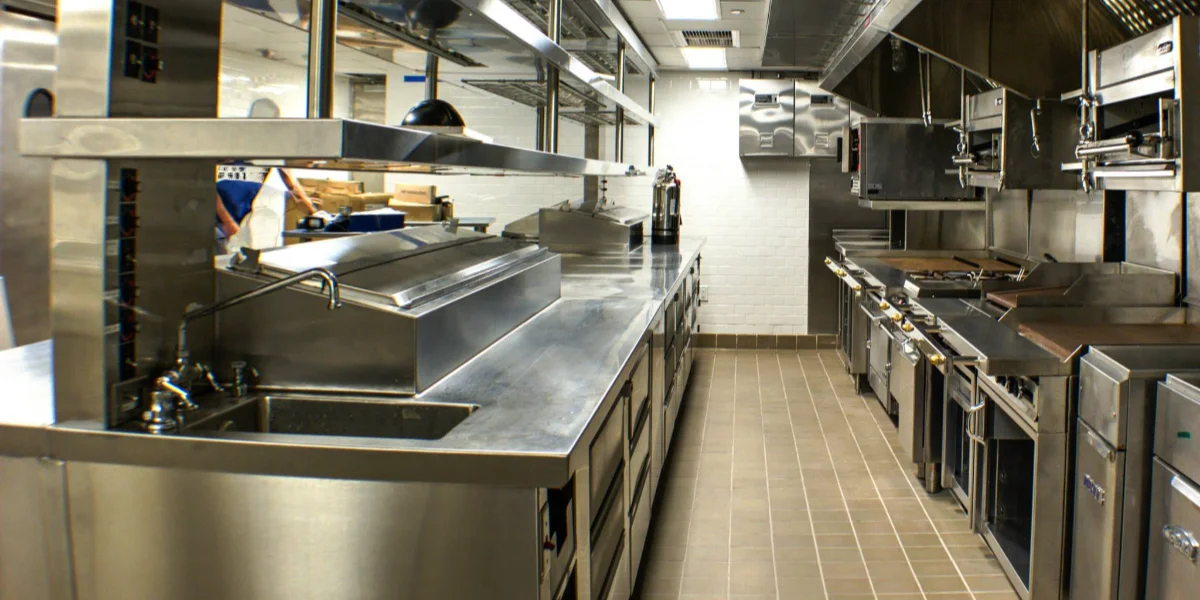
Planning a Commercial Kitchen in Florida: When to Engage the Right Professionals
Planning a commercial kitchen is one of those things that looks straightforward from the outside and becomes complicated very quickly once real-world constraints enter the picture.
In Florida, those constraints show up fast.
Heat and humidity affect ventilation and comfort. Older buildings limit what can be exhausted or supplied. Inspections are strict, and late changes often trigger permit revisions. In our experience, many kitchen projects struggle not because of bad construction, but because the right professionals weren’t involved early enough to see these issues coming.
Knowing when to engage experienced commercial kitchen professionals can be the difference between a smooth opening and months of delays.
Commercial Kitchen Planning Is a Systems Problem
A commercial kitchen is not just equipment in a room. It’s a group of interconnected systems that all depend on one another.
When we talk about planning, we’re really talking about aligning:
-
- The menu and production volume
- Cooking methods and equipment selection
- Hood and ventilation systems
- Makeup air and HVAC
- Electrical, gas, and plumbing capacity
- Workflow and staffing flow
- Code compliance and inspection requirements
In Florida, treating any of these as an afterthought usually creates problems later. Once drawings are submitted or equipment is ordered, changes become expensive and time-consuming.
What Commercial Kitchen Planning Actually Includes
One of the biggest misconceptions we see is that kitchen planning starts with layout drawings or equipment cut sheets. In reality, those come later.
Proper planning typically starts with:
-
- Understanding how the menu will actually be executed
- Identifying peak service demands and production volume
- Matching cooking methods to appropriate equipment and hood duty levels
- Confirming the building can support the required utilities and exhaust
- Coordinating ventilation and makeup air for Florida’s climate
- Reviewing regulatory requirements before permits are submitted
This early coordination helps prevent surprises like discovering mid-project that the gas service is undersized or that the hood system can’t support the menu.
Florida-Specific Challenges That Change the Planning Process
Florida kitchens face challenges that don’t exist in many other parts of the country.
Heat and Humidity
Every cubic foot of air exhausted from a kitchen must be replaced. In Florida, that replacement air is hot and humid most of the year. Poorly planned ventilation systems lead to uncomfortable kitchens, condensation issues, and higher operating costs.
Older and Mixed-Use Buildings
Many restaurants are built into older structures or mixed-use developments where roof access, shaft space, and noise limitations restrict ventilation options. In our experience, this is one of the most common reasons projects need to be rethought midstream.
Inspections and Permitting
Florida food establishments are licensed and inspected by the Florida Department of Business and Professional Regulation. Inspectors are verifying that what was built matches what was approved, not what feels workable during construction.
Late changes to equipment or cooking methods often require:
-
- Revised mechanical drawings
- Updated hood and fire suppression coordination
- Permit re-submittals
- Additional inspections
These delays are avoidable when planning is done early.
Key Regulations That Shape Florida Commercial Kitchens
You don’t need to memorize codes to plan a kitchen, but you do need to understand how they affect decisions.
In Florida, commercial kitchens are influenced by:
-
- The FDA Food Code as adopted by the state, which governs food safety, sanitation, and equipment standards
- Fire and life safety requirements, including NFPA 96, which regulates ventilation and fire protection for commercial cooking operations
- The Florida Building Code, which impacts mechanical, electrical, plumbing, and structural requirements
In practice, this means that cooking methods, hood coverage, clearances, and service access all matter during inspections. Planning without these requirements in mind often leads to redesign later.
When You Should Engage Kitchen Professionals
In our experience, the most valuable time to engage professionals is before decisions harden.
Early involvement matters most:
-
- Before signing a lease or committing to a space
- Before finalizing a menu or service model
- Before drawings are submitted for permit
- When renovating or upgrading an active kitchen
- When changing cooking methods or adding high-heat equipment
- When ventilation or utilities are constrained
At these stages, experienced input can prevent expensive assumptions from becoming permanent problems.
Who Benefits Most From Professional Kitchen Planning
Different types of facilities bring different risks and requirements. This is where experience across multiple environments matters.
We regularly support planning for:
-
- Restaurants and bars, where menu evolution and throughput drive constant change
- Hotels and resorts, where multiple kitchens and continuous operation add complexity
- Corporate cafeterias, where volume, speed, and flow are critical
- Healthcare and senior living kitchens, where reliability and safety are essential
- Schools and institutional kitchens, where compliance and efficiency must align
- Government and public sector facilities, where documentation and approvals are tightly controlled
While the equipment may look similar on paper, the planning approach is very different for each.
How Professional Support Helps Navigate the Process
Engaging the right team early helps turn ideas into buildable, compliant kitchens.
That support often includes:
-
- Translating menus into real production requirements
- Coordinating equipment, ventilation, and utilities together
- Identifying building and infrastructure constraints early
- Supporting permit and inspection readiness
- Planning phased work for active facilities
This is less about adding complexity and more about reducing uncertainty.
The Cost of Waiting Too Long
When planning input comes late, the same issues show up again and again:
-
- Equipment that doesn’t fit under the approved hood
- Ventilation systems that can’t support the menu
- Utility upgrades discovered mid-construction
- Permit revisions that stall openings
- Kitchens that open compromised
In our experience, these problems aren’t rare. They’re the predictable result of planning being treated as a final step instead of a first one.
How FCA Kitchens Fits Into the Planning Process
FCA Kitchens is typically brought in when clarity is needed.
Sometimes that’s early, when a client wants to understand whether a space can support their concept. Other times it’s during a renovation, when the kitchen must stay operational while systems are upgraded.
Our role adapts to the project, but the focus stays consistent:
-
- Align systems early
- Navigate Florida-specific constraints
- Reduce risk before money is spent
- Help kitchens function better in real-world conditions
That approach has been applied across small renovations and large, complex projects throughout South Florida.
Final Thought: Planning Early Is a Competitive Advantage
In Florida, commercial kitchens don’t fail because of one bad decision. They struggle because small, uncoordinated decisions compound over time.
Engaging experienced professionals early helps owners and project teams:
-
- Avoid unnecessary rework
- Protect timelines and budgets
- Navigate inspections with confidence
- Build kitchens that support how they actually operate
Good kitchens aren’t just built. They’re planned with intention, especially in a market as demanding as Florida.
Start Planning Before Decisions Get Locked In
The most expensive kitchen problems usually start with decisions made too late. A short planning conversation early can clarify scope, identify constraints, and help you move forward with confidence before drawings, permits, or equipment commitments are in place.