Planning Your Commercial Kitchen the Right Way Starts With Your Menu
When people think about planning a commercial kitchen, they often jump straight to equipment, layouts, or finishes. In reality, the most important decision happens much earlier.
Your menu is the foundation of your kitchen.
What you serve, how it’s prepared, and how often it’s produced determines nearly every downstream decision, from equipment selection and ventilation to utilities, workflow, staffing, and inspection readiness. When the menu isn’t clearly defined early, kitchens become overbuilt, underperforming, or expensive to correct later.
In South Florida, where permitting, inspections, and climate all add pressure, getting this sequence right is critical.
Why the Menu Is the Planning Document
A menu is not just a list of dishes. It’s an operational brief.
Every item on your menu drives:
-
- Cooking methods
- Equipment type and duty level
- Hood and ventilation requirements
- Gas, electrical, and plumbing loads
- Prep, storage, and holding needs
- Staff flow and station layout
- Food safety and inspection considerations
When those decisions are made after drawings are issued or construction begins, costs rise quickly and timelines slip.
This is why effective Turnkey Commercial Kitchen Planning starts with understanding the menu before anything is drawn or specified.
What “Menu-Driven Kitchen Planning” Actually Means
Menu-driven planning doesn’t mean locking yourself into recipes forever. It means understanding how the concept is expected to operate on day one.
A good planning process translates the menu into real operational requirements.
Step 1: Break the Menu Into Cooking Methods
Instead of focusing on dishes, focus on how food is produced:
-
-
- Frying, grilling, sautéing, baking, steaming
- Raw or cold prep
- Batch cooking vs made-to-order
- Reheating and holding
-
This immediately informs equipment selection and ventilation needs.
Step 2: Attach Production Reality
Menus behave differently under real service conditions.
-
-
- How many covers per hour during peak?
- How long is the peak window?
- Is volume consistent or spiky?
- How much is dine-in vs takeout or delivery?
-
These answers affect line length, station count, refrigeration capacity, and holding equipment.
Step 3: Identify Food Safety Control Points
Menus also drive compliance.
-
-
- Hot and cold holding requirements
- Cooling and reheating processes
- Allergen handling
- Cross-contamination prevention
-
In Florida, inspection readiness is tied directly to how well these elements are supported by the physical kitchen, not just procedures on paper.
Where Menu Mistakes Get Expensive
Many of the most costly kitchen problems trace back to menu decisions made too late.
Common issues we see include:
-
- Adding high-grease cooking after ventilation is designed
- Underestimating cold storage driven by prep-heavy menus
- Designing a line for volume the concept will never reach
- Overlooking the impact of bar programs on ice and warewashing
- Ignoring holding and retherm needs for delivery and catering
Once plans are approved or construction begins, fixing these issues often means redesigns, re-permitting, or change orders. That’s why early planning is emphasized in our Commercial Kitchen Design/Build process.
Ventilation and Hoods: The Menu’s Biggest Multiplier
Few systems are as directly tied to the menu as ventilation.
Cooking methods determine:
-
- Hood type and duty rating
- Exhaust volume
- Makeup air requirements
- Fire suppression coordination
In South Florida, poor coordination here doesn’t just cause inspection problems. It affects comfort, humidity control, and long-term operating costs.
A menu change that adds heavier cooking can trigger:
-
- Larger hoods
- Ductwork changes
- Fire protection revisions
- Utility upgrades
This is why hood and ventilation planning must be aligned with the menu from the start, not treated as a standard detail.
Workflow, Staffing, and the Hidden Cost of a Bad Menu Layout
Menus also dictate how people move through the kitchen.
A complex menu increases:
-
- Station count
- Steps per plate
- Cross-traffic
- Staffing needs
Even small layout inefficiencies add up during peak service. Over time, they affect labor costs, consistency, and staff fatigue.
Thoughtful planning looks at:
-
- Prep to cook flow
- Line balance
- Expo and pass coordination
- Access for restocking and cleaning
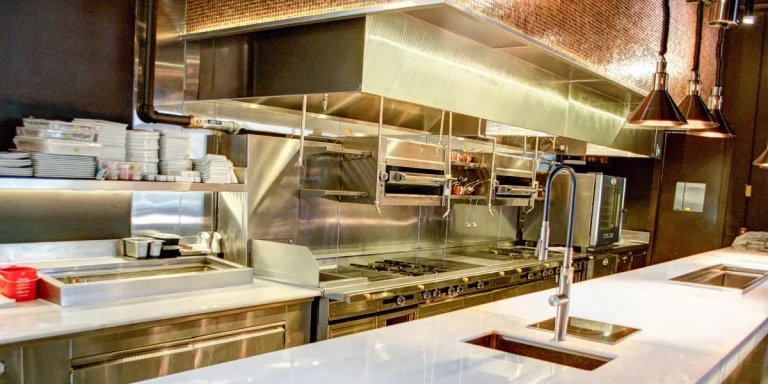
This kind of workflow thinking is central to how we approach Restaurant & Bar Kitchen Design/Build, especially for high-volume concepts.
South Florida Reality: Plan for Inspection Early
Florida inspections are not theoretical. Inspectors are looking at:
-
- Equipment placement and cleanability
- Proper ventilation and fire protection
- Clearances and service access
- Sanitation support
If the menu drives requirements the kitchen can’t physically support, inspections stall.
Addressing compliance early, rather than reacting at the end, is a key reason clients engage us for Code Compliance & Inspection Readiness support alongside planning and design.
How We Approach Menu-First Kitchen Planning
At FCA Kitchens, menu-driven planning isn’t a slogan. It’s how we prevent problems before they appear.
Our process typically includes:
-
- Early menu and production discussions
- Translating the menu into equipment and system requirements
- Coordinating layout, utilities, ventilation, and fire protection together
- Keeping decisions buildable and inspection-ready
This approach has been applied across restaurants, hospitality environments, healthcare, corporate dining, and institutional kitchens throughout South Florida.
A Simple Checklist Before Your First Planning Meeting
If you’re preparing for a new kitchen or remodel, bring:
-
- A draft menu and bar program
- Expected seating and service model
- Peak volume assumptions
- Known space or utility constraints
- Target opening timeline
Even a rough version of this information leads to better planning conversations and fewer surprises later.
Final Thought: Clarity Up Front Saves Money Later
Most kitchen problems don’t come from bad intentions. They come from starting too late.
When the menu is clear early, kitchen planning becomes more accurate, more efficient, and far less stressful. Equipment fits the space, systems work together, and inspections go smoother.
If you’re planning a commercial kitchen or renovation in South Florida, an early, menu-first planning conversation can save significant time and cost down the line.
That’s where good kitchens start.