Technology in the Modern Commercial Kitchen: What Actually Makes a Difference
Technology in the Modern Commercial Kitchen: What Actually Makes a Difference
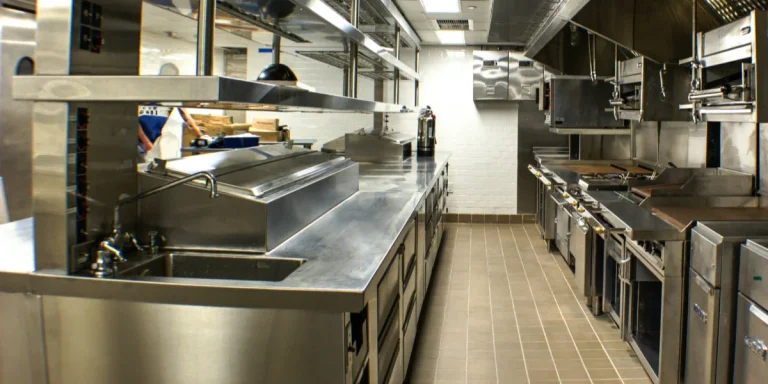
Modern commercial kitchens are filled with more technology than ever before. The challenge isn’t finding equipment with features, it’s knowing which systems actually improve performance and which ones just add complexity.
In our experience, the kitchens that run best aren’t the ones with the most technology. They’re the ones where technology is used deliberately, to solve real operational problems.
For restaurant operators in Miami and South Florida, those problems are usually tied to heat, humidity, labor pressure, consistency, and reliability. The right technology choices can ease those pressures. The wrong ones can make them worse.
What “Kitchen Technology” Really Means Today
Kitchen technology isn’t just screens and automation. Most of the meaningful upgrades are built into the equipment itself.
In practice, modern kitchen technology focuses on:
-
- Better temperature control and consistency
- Faster recovery during peak service
- Reduced excess heat and energy waste
- Easier cleaning, maintenance, and service
- Systems that work together instead of competing
When technology is chosen to support how the kitchen actually operates, it quietly improves day-to-day performance.
Refrigeration: Where Reliability Matters More Than Features
In South Florida, refrigeration is one of the first systems to show stress.
In our experience, many kitchens struggle not because refrigeration is undersized on paper, but because it can’t recover fast enough in a hot, humid environment or during heavy prep periods.
Modern refrigeration platforms offer:
-
- More stable temperature control
- Improved airflow and faster recovery
- Better performance in warm back-of-house conditions
- Lower long-term maintenance issues
Manufacturers like True Refrigeration, Continental Refrigerator, and Atosa are commonly specified because they’re built to hold temperature under real operating conditions, not ideal ones.
Reliable refrigeration improves food safety, prep flow, and inspection confidence. It also reduces the daily stress that comes from fighting temperature swings.
Cooking Equipment: Consistency Over Raw Power
Older kitchens were often built around brute force. Bigger burners, higher BTUs, and more heat than necessary.
In our experience, modern kitchens perform better when cooking equipment emphasizes control and recovery rather than sheer output.
Newer equipment offers:
-
- More even heat distribution
- Faster recovery between orders
- Reduced excess heat dumped into the space
- Easier cleaning and service access
Brands like Vulcan, Jade, and Pitco focus on durability and repeatability, which matters far more during a busy service than peak output numbers.
In renovation projects, upgrading cooking equipment often allows kitchens to increase throughput without expanding the line or adding staff.
Holding and Re-Therm: Quietly Solving Peak-Hour Stress
One of the biggest shifts we see in modern kitchens is how food is finished and held.
As menus evolve and delivery, catering, and large parties become more common, controlled holding becomes critical. In our experience, kitchens without proper holding systems end up cooking reactively, which slows service and stresses staff.
Modern holding and re-thermalization systems allow kitchens to:
-
- Smooth production during peak periods
- Maintain food quality without rushing
- Reduce last-minute cooking pressure
This is where equipment from manufacturers like Alto-Shaam plays a meaningful role, especially in high-volume and hospitality environments.
Ventilation Technology That Actually Improves Comfort
Ventilation is one of the most important places where technology has quietly improved.
In Florida, ventilation isn’t just about smoke and grease. It directly affects kitchen comfort, humidity, and operating cost.
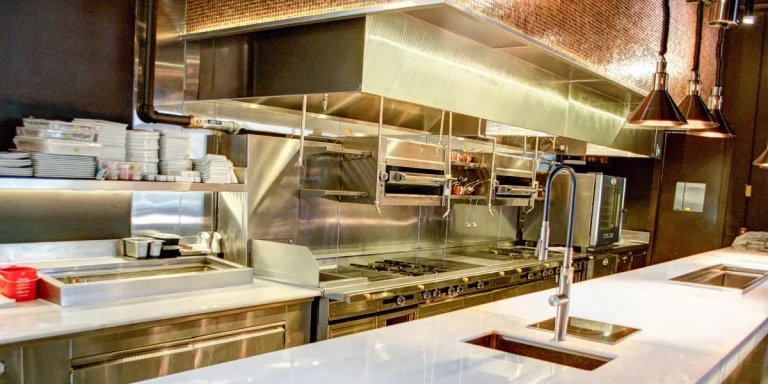
Modern hood and ventilation systems can provide:
-
- Better capture efficiency at lower exhaust rates
- More stable airflow
- Energy savings through demand-based control
- Improved coordination between exhaust and makeup air
In our experience, integrated systems from manufacturers like CaptiveAire make a noticeable difference when they’re planned correctly. They reduce excess heat, improve comfort, and make kitchens easier to work in, especially during long services.
Warewashing: Removing One of the Biggest Bottlenecks
Dish rooms are often overlooked during upgrades, even though they affect the entire kitchen.
Modern warewashing systems improve:
-
- Throughput during peak periods
- Reliability and uptime
- Water and energy efficiency
In our experience, upgrading warewashing equipment from manufacturers like Hobart is one of the fastest ways to improve kitchen flow without touching the cooking line.
Ice, Beverage, and Support Systems
Ice is a dependency that many operators don’t fully account for until it becomes a problem.
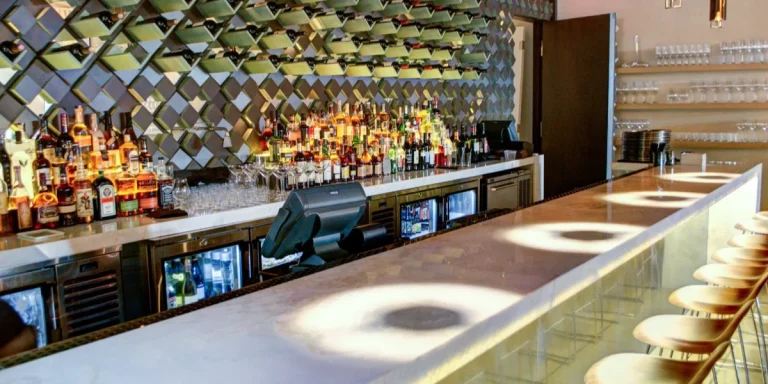
Reliable ice systems are critical in South Florida, especially for bars and high-volume restaurants. Equipment from manufacturers like Hoshizaki is commonly used because it’s designed to perform consistently in warm, humid conditions.
When ice production is undersized or unreliable, service issues show up quickly.
Storage and Ergonomics: Technology Without Electronics
Some of the most effective upgrades aren’t electronic at all.
Improved shelving and storage systems:
-
- Increase airflow and sanitation
- Improve organization and access
- Make kitchens easier to keep inspection-ready
In our experience, modular systems like those from Metro deliver immediate benefits with minimal disruption, especially during renovations.
Why Technology Works Best as a System
The biggest mistake we see is upgrading equipment in isolation.
Technology decisions affect:
-
- Utilities
- Ventilation
- Layout
- Workflow
- Compliance
When systems aren’t coordinated, even high-quality equipment underperforms.
This is true on small renovations and large-scale projects alike. During the rebuild of the Mai-Kai Restaurant, technology decisions were made in the context of a complete system, not as individual purchases. While most projects are far smaller, the same principle applies.
Final Thought: The Best Technology Feels Invisible
The best kitchens don’t feel high-tech. They feel calm.
In our experience, the right technology reduces stress, improves consistency, and makes kitchens easier to run. The wrong technology adds layers without solving the real problems.
If you’re considering technology upgrades for a restaurant or bar kitchen in Miami or South Florida, the most important step isn’t choosing brands. It’s understanding how those systems will work together in your space, under your menu, in this climate.
That’s where smart, modern kitchens are built.
Plan Technology Upgrades That Actually Improve Your Kitchen
In our experience, the most successful technology upgrades happen when equipment, ventilation, layout, and menu requirements are considered together. A short planning conversation early can clarify which systems are worth investing in and which ones won’t move the needle.